
Breakbulk Stand Design in Dubai
– Engineering-Led Concept Development
International exhibitors entering Dubai’s Breakbulk environment require a design partner who understands heavy-industry needs, DWTC design constraints, and feasibility requirements from the earliest planning stage. Our breakbulk stand design dubai approach is built on engineering-led concept development, precise breakbulk design zoning, and load-aware layout planning—ensuring heavy-industry stand design solutions that safely accommodate machinery, equipment-driven demonstrations, and high-traffic visitor flow.
Engineering-led Breakbulk stand design in Dubai
Zoning layouts for machinery & heavy-load equipment
Visitor-flow planning for operational storytelling
CAD technical drawings aligned with DWTC/ADNEC standards
Structural feasibility checks at the design stage
3D visual concepts tailored for industrial exhibitors
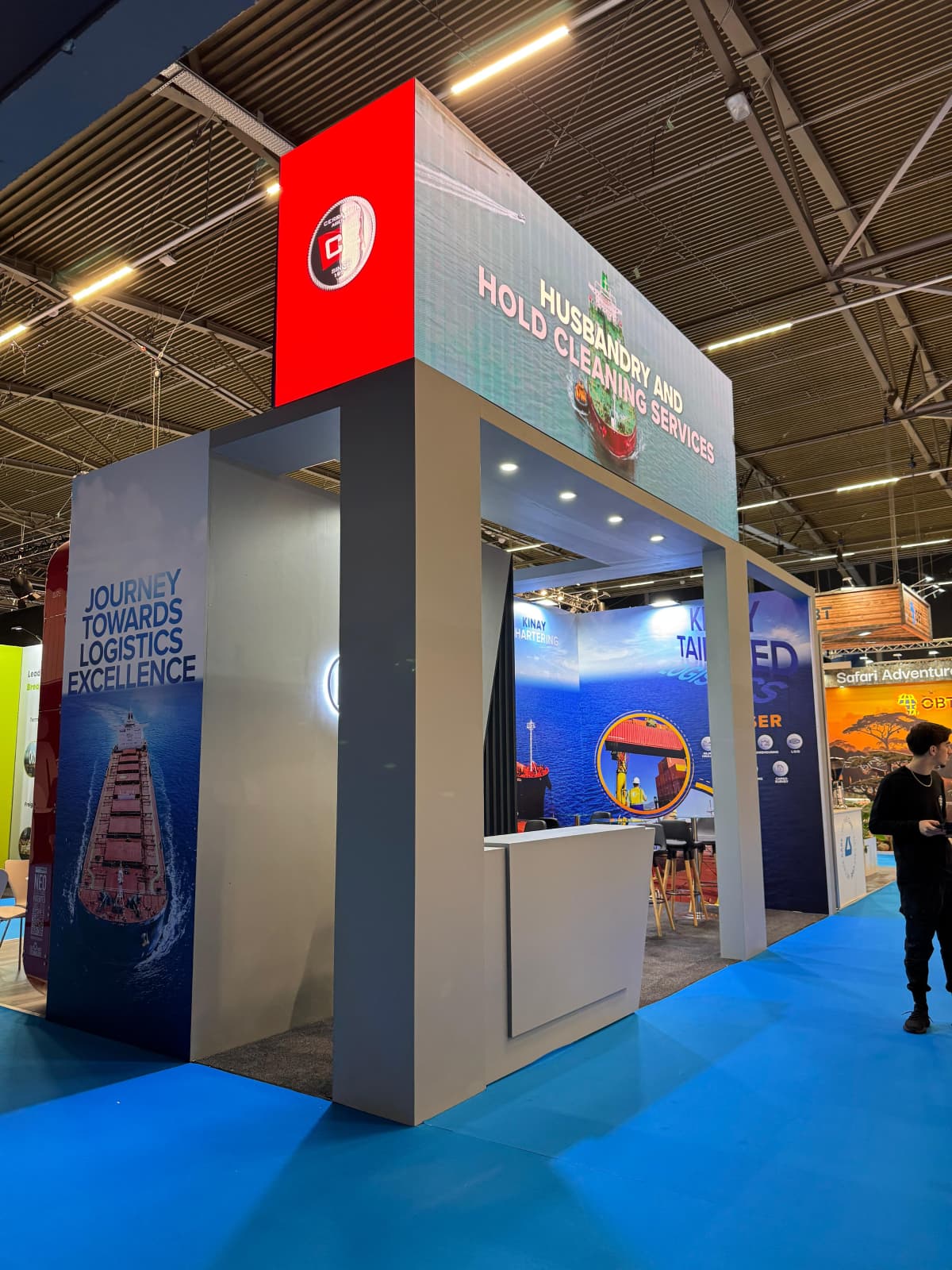
Concept Development for Heavy-Industry Exhibitors
Developing a design concept for heavy-industry exhibitors requires a process built around operational workflows, machinery layouts, and venue-approved feasibility. Our concept design method adapts to the needs of project cargo, maritime logistics, port operations, and heavy-lift brands—ensuring each idea supports equipment-driven demos and industrial presentation standards. Through our breakbulk custom booth design framework, we create early-stage layouts that integrate machinery footprints, equipment zoning, and safe visitor circulation. Whether preparing a project cargo stand design or a maritime exhibition stand design, every concept is engineered on a technical foundation so the final Breakbulk Stand Design in Dubai meets both exhibitor requirements and DWTC/ADNEC design constraints.
Zoning, Equipment Mapping & Visitor Flow Planning
Effective Breakbulk stand design depends on accurately planning equipment zones, machinery placement, and visitor circulation from the earliest design stage. Our approach uses a structured design zoning workflow that aligns with heavy-industry presentation needs, ensuring each layout supports equipment-driven demos, safe movement patterns, and clear operational storytelling. Through precise equipment mapping and flow planning, we create booth configurations suitable for breakbulk custom booth design, project cargo booth design, and other industrial exhibitors requiring load-aware, technically coherent spatial planning.
Equipment Zoning for Heavy-Load Areas
Designing functional heavy-load areas requires zoning plans tailored to the operational demands of industrial exhibitors. Our approach ensures each zone reflects the structural needs of machinery displays, lifting components, and equipment-driven demo setups—forming a stable foundation for heavy-industry stand design. By defining load-bearing sections, maneuvering space, and safety-aligned interaction corridors, we create zoning layouts that support the spatial logic required in project cargo stand design, while maintaining clarity, accessibility, and compliance throughout the booth.
Equipment Mapping & Display Logic
Accurate equipment mapping is essential for translating industrial workflows into a clear and functional booth layout. Our equipment-driven design planning process identifies machinery footprints, operational reach zones, and demonstration angles to ensure each component is positioned for maximum visibility and safe interaction. By structuring display logic around real equipment behavior—rather than decorative placement—we create layouts that support intuitive navigation, highlight technical capabilities, and maintain the spatial discipline required for heavy-industry presentations.
Visitor Flow & Operational Storytelling
Effective visitor flow is essential for communicating complex industrial processes in a clear and intuitive manner. Our operational storytelling design approach structures pathways around equipment zones, demo points, and presentation sequences—guiding visitors through a logical narrative of how your solutions operate in real environments. By integrating controlled circulation routes and sightline planning, we ensure each step reinforces the technical message. This method is especially effective for maritime exhibition stand design, where machinery behavior, cargo movement, or workflow simulations must be presented with clarity, safety, and sector-specific relevance.
Technical Design Alignment With DWTC & ADNEC Requirements
For international exhibitors, the most critical part of the design stage is ensuring that every idea meets DWTC and ADNEC’s technical and safety rules. Our process begins with clear, venue-approved CAD technical drawings, early load considerations at design stage, and accurate documentation that helps your concept move smoothly into engineering review. By planning for DWTC design limits, ADNEC design constraints, fire-rating requirements, rigging limits, and suspended elements planning from the start, we reduce revisions, speed up approvals, and deliver a CAD-aligned design process that protects your timeline. This approach gives Breakbulk exhibitors confidence that their stand will meet all technical expectations long before production begins.
CAD Technical Drawings & Submission Requirements
Load, Rigging & Suspended Elements Planning
Fire-Rating, Egress & Venue Safety Constraints
Structural Feasibility Review & Early Engineering Coordination
Ensuring a Breakbulk stand is structurally sound begins at the design stage, where early coordination with engineering principles prevents costly revisions later. Our process incorporates a detailed structural feasibility review, evaluating initial load-path planning, platform stability, and reinforcement needs before any concept moves forward. By applying engineering-led design checks at this early phase, we verify that each idea can be built safely, supports equipment-driven demonstrations, and aligns with venue expectations. This approach keeps the work firmly within the design pipeline while providing the technical assurance heavy-industry exhibitors need to proceed confidently.
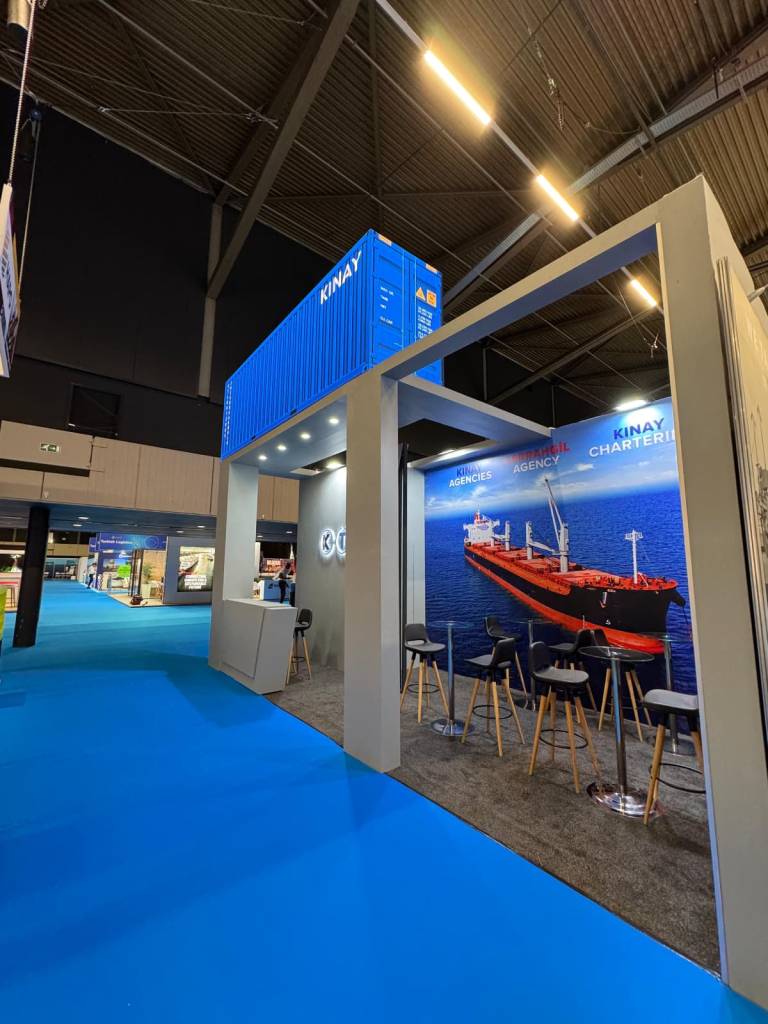
Technical Design Documentation & Deliverables You Receive
A fully structured Breakbulk stand design requires clear, technical, and venue-approved deliverables. Our process provides complete documentation that supports internal decision-making, engineering review, and DWTC/ADNEC submissions. Each output is designed to give international exhibitors full visibility of spatial logic, feasibility, and presentation quality before production begins.
Concept Boards —
Zoning Layouts —
Detailed 2D Plans —
3D Visualizations —
Technical Drawings —
Feasibility Notes —
DWTC/ADNEC-Aligned Design Documents —
Technical Design Documentation —
Selected Breakbulk Exhibition Stand Design Projects
Our portfolio includes design work developed specifically for heavy-industry exhibitors participating in Breakbulk Middle East. Each example highlights how zoning, equipment mapping, and technical alignment are applied during the design stage to support machinery displays, operational storytelling, and venue-compliant feasibility—without going into production or installation details.
Start Your Breakbulk Design Stage With Our Dubai Team
Begin your Breakbulk Stand Design in Dubai with a team experienced in heavy-industry requirements, zoning logic, and DWTC/ADNEC design constraints. We guide you through concept development, feasibility checks, and technical documentation to ensure a clear, compliant, and reliable design foundation for your project. Contact our Dubai team to start planning your Breakbulk stand design with confidence.